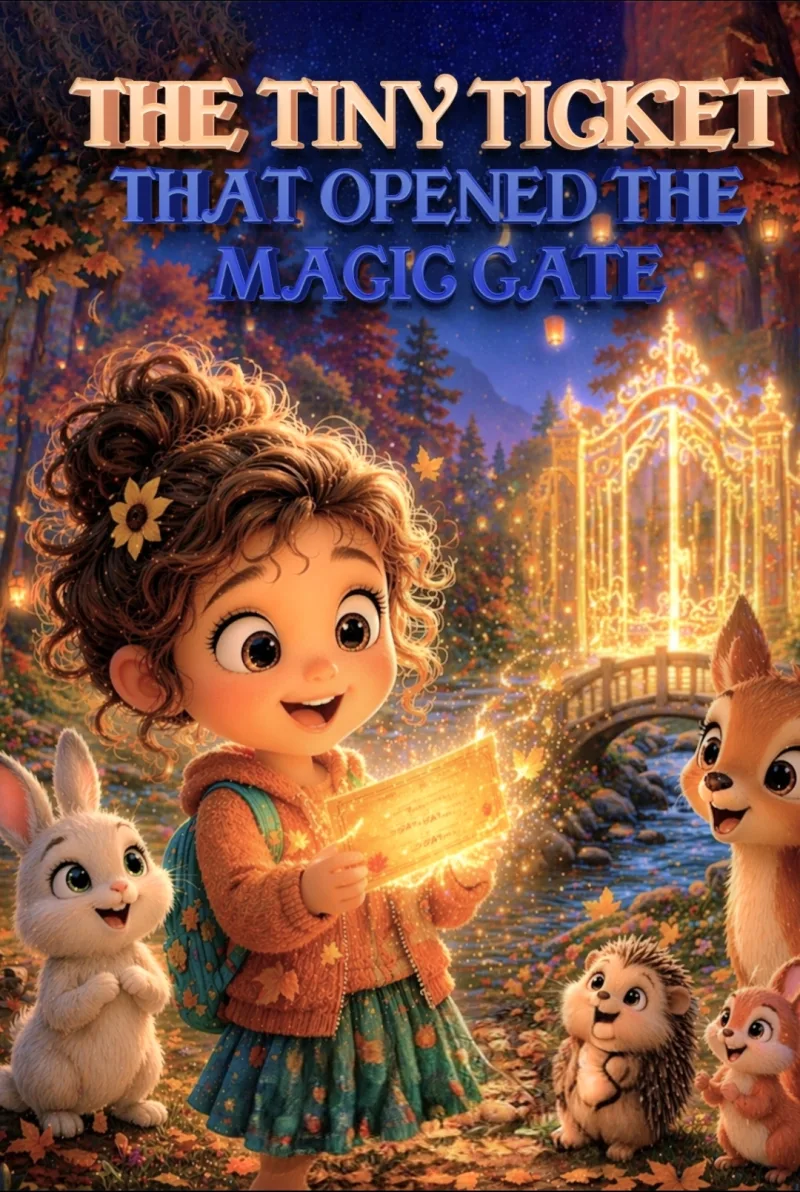
Every parent has heard some version of it: "isn't fantasy just make-believe?" It is — and that's exactly the point. When a child imagines a gate that opens onto somewhere else, they are practicing one of the most useful skills a human being can have: holding a world in mind that isn't in front of them.
Fantasy teaches children to think in possibilities
Realistic stories show a child how the world is. Fantasy stories ask what it could be. That mental move — imagining an alternative and reasoning inside it — is the same one behind inventing, planning, negotiating, and comforting a friend. Children who read fantasy get repeated, joyful practice at it.
It makes big feelings safe to visit
A dragon is fear you can look straight at. A talking lantern is loneliness with a friendly face. Fantasy gives children a little distance from feelings that are too large to name, which is often the only way they can approach them at all. A child who has been brave inside a story has a memory to borrow from when real bravery is required.
It grows vocabulary and narrative memory
Invented worlds need description, and description needs words. Fantasy read-alouds tend to be richer in language than everyday conversation, and because the stakes hook attention, children hold onto the words. Series stories add another layer: remembering what happened last time, and predicting what comes next.
It builds empathy through unlikely characters
It's easier for a child to feel for a shy squirrel who won't sing in front of others than for a classmate who won't speak up. Fantasy characters lower the defenses, and empathy practiced on a squirrel transfers to people.
Four ways to get more out of a fantasy read-aloud
- Stop before the ending. Ask "what would you do?" and let the answer be strange.
- Ask about the world, not just the plot. "What do you think the carnival smells like?" opens more than "who was the hero?"
- Let them retell it wrong. Remembering a story their own way is authorship, not error.
- Follow it into play. A drawing, a cardboard gate, a ticket cut from paper — the story keeps working after the book closes.
Imagination isn't a break from serious learning. It's the ground the serious learning stands on.
Looking for a place to start? Meet Rose in The Magical Ticket Series, or try our 5 ways to spark your child's imagination.